
There is something captivating about our discussions of the future. We do so with an incredible sense of certainty. Artificial intelligence will revolutionize Nigeria. Technology will give rise to new industries. Nigerian youth will compete with the best in the world. Nigeria will become a powerhouse in the digital economy of Africa.
It may very well.
But are we really ready for that future?

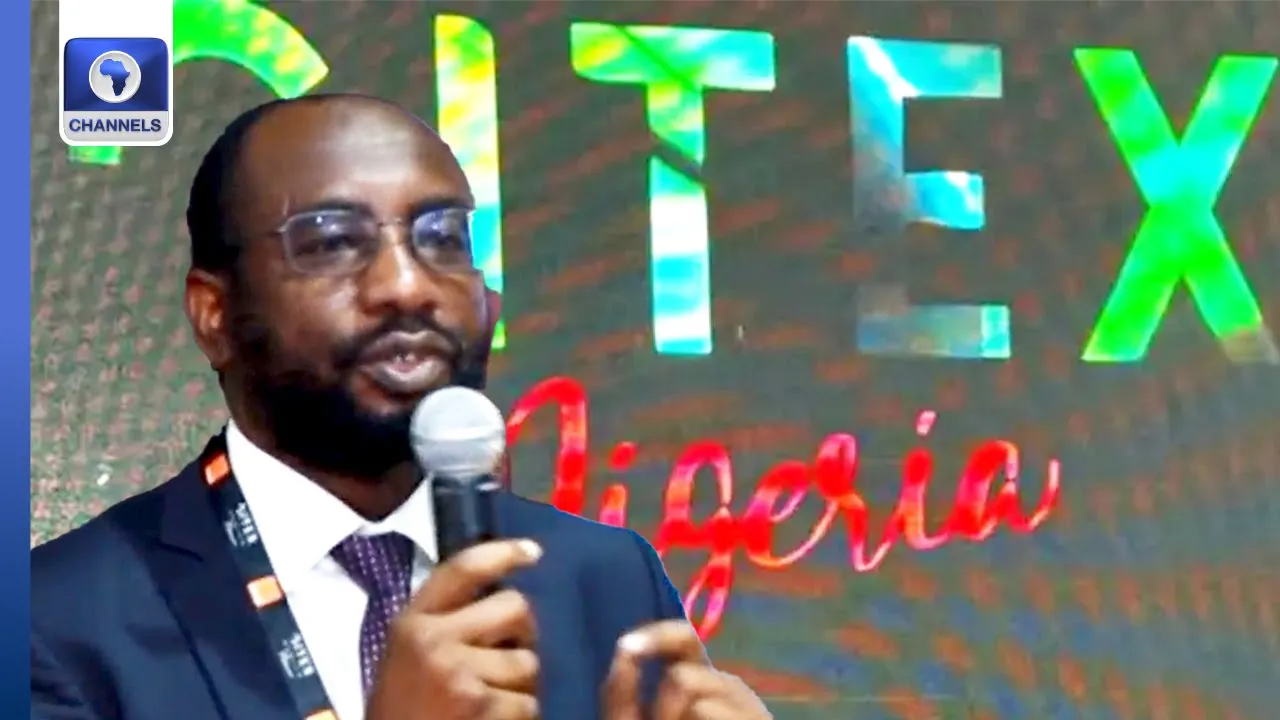
From August 31, GITEX Nigeria will convene government representatives, tech firms, investors, and startups in Abuja and Lagos to talk about artificial intelligence, digital infrastructure, innovation, and the future economy.
The Government Leadership & AI Summit at GITEX will highlight AI infrastructure, talent, research and development, digital inclusion, and policy that will allow Africa to compete in the global race of artificial intelligence.
Nigeria needs to be involved in that discussion. But discussion will not shape the future.
What does preparing for the future actually mean?
It entails creating the structures that will help bring ideas into reality. It means energy, decent educational systems, internet access, research institutions that do proper research, capital for good ideas, and institutions that function well enough to make it possible for people to create without being unnecessarily hampered by obstacles that can be easily avoided.
Nigeria has developed a National Artificial Intelligence Strategy. Nigeria has also set up institutions and programs geared towards artificial intelligence, research, and innovation.
The ambition is there.
But with ambition comes the other question: will the foundations keep pace with the ambition?
The latest figures from the World Bank have electricity access in Nigeria at 62.5 percent of the population in 2024. The latest figure for internet usage has been put at 39 percent for 2023.
These figures do not mean that Nigeria must shelve its ambitions in technology. They only mean that this is where some of the work needs to start.
Should Nigeria wait until everything works?
No.
Waiting will only bring about another issue.
Technological growth doesn’t come to a halt while countries are sorting out their issues. The advancement of artificial intelligence does not wait; businesses keep adopting it; people keep learning; investments keep coming in.
Nigeria cannot allow itself to stay in the waiting room until everything becomes absolutely perfect.
It is possible to move forward without turning a blind eye to the incomplete tasks.
If Nigeria wants to take advantage of the opportunities of an AI-driven economy, then Nigeria needs to develop both its innovations and its groundwork.
Nigeria can cultivate AI experts while at the same time working on its basic education; Nigeria can assist startups while simultaneously building infrastructure; Nigeria can develop digital products while also ensuring widespread internet connection.
The choice isn’t one between making progress and preparing for it.
Preparing for the future is making progress.
Why do we keep falling in love with destinations?
Perhaps because destinations are easier to declare than roads are to build.
We speak of becoming a global hub for technology. We speak of creating world-renowned companies. It’s easy to speak of becoming a big name in AI. We speak of becoming one of the biggest economies in the world.
There is nothing wrong with all of those goals.
The trouble begins when declaring the destination becomes equivalent to moving towards it.
A country doesn’t become a tech hub by declaring itself one. It becomes a hub of technologies by being a place where things get built, experimented with, grown, and studied, and where everyone can join the economy being created through all of that.
Ambition leads us to the destination. Capabilities create the road.
What will AI reveal about Nigeria?
AI may reveal more about us than we think.
It will not just provide new possibilities. It will expose existing weaknesses.
A nation with sound education, solid infrastructure, functional institutions, and skilled personnel can leverage AI to accelerate its growth. But a nation with poor foundations might find it difficult to transform access to cutting-edge technology into economic value.
This is not to say that AI is the culprit, but that AI is a litmus test.
Are we able to train enough skilled individuals to harness it? How are our universities and research centers contributing to its development? Are our companies adopting it profitably instead of only talking about it? Can our people beyond the cities of Nigeria benefit from the opportunities it brings?
This will have less to do with how much we praise AI and more to do with how much we develop around it.
Are we building the future or announcing it?
The issue raises itself not only in Nigeria but on a global level.
We do the same thing in our everyday lives. We picture ourselves having succeeded: the business, the career, the power, the freedom.
Yet when we ask what is required to make all of this happen, we come up with quite a boring list.
Study. Practice. Save. Build. Fail. Try again. Acquire discipline. Learn something difficult. Work hard when no one is watching you.
We fall in love with destinations and undervalue the roads.
Nigeria is no exception. We want the future, but not always the work involved in creating it.
However, the future will not happen because you say that you are ready. It happens because time continues to move.
So, what should we do now?
Let’s dream big, but let’s also work smart.
For an economy powered by AI, we need people who understand AI. For a technology industry, we need an ecosystem that allows companies to thrive. We need cheap and reliable connectivity for digital inclusion. For innovation, we need education and research that stimulate people to do and not just consume. For a competitive economy, we need institutions that facilitate productivity and do not undermine it.
None of these look as glamorous as an AI announcement. But all of this is far more important.
The future usually starts with decisions that seem mundane right now; a student acquiring a valuable skill, a teacher becoming a better teacher, a researcher chasing an idea, a startup building a product, a government building or maintaining infrastructure and a company training its employees.
None of these generates exciting press coverage. But all of these lay the foundation for exciting results.
What happens when the future arrives?
It will come regardless of whether we prepare for it or not.
AI will continue to advance. Industries will continue to transform. Jobs will continue to transform. Foreign nations will continue to invest.
There is nothing we can do about any of it.
But we have control over whether we greet the future as mere onlookers, mere consumers, or competent participants.
This decision must be made well in advance of the future. The decision starts well before the future arrives. It starts with what we are creating right now.
So maybe the true question isn’t really if Nigeria can become a technological superpower.
Maybe the better question is: “What are we creating right now that the future will require tomorrow?”
As the future doesn’t belong to the country that speaks about it the most.
It belongs to those who prepare for it.
And that goes for all of us.
For when the future we are dreaming about finally arrives, will we be ready for it?
Our answer to this must inform our actions right now.